.jpg)
Vitiligo Diet: What to Eat, What to Avoid and What the Evidence Says
There is no diet that cures vitiligo – anyone who tells you otherwise is selling something. But diet is not irrelevant either. Oxidative stress is one of the mechanisms that kills pigment cells, chronic low-grade inflammation keeps the immune attack going, and several nutrients needed for melanin production are commonly low in people with vitiligo. Food can help on all three fronts, and it is the one part of treatment that costs nothing extra.
This article separates what is reasonably supported by research from what is anecdotal, and turns it into a practical shopping list.
What we know – and what we don't
Reasonably supported:
- People with vitiligo have measurably higher oxidative stress and lower antioxidant enzyme activity in the skin. An antioxidant-rich diet is a sensible response.
- Vitamin D, B12, folic acid, zinc and copper are frequently low in vitiligo, and correcting deficiencies improves the response to phototherapy in several studies.
- Omega-3 fatty acids reduce inflammation markers; omega-6-heavy diets (seed oils, processed food) push the other way.
- Coeliac disease and other autoimmune conditions are more common in people with vitiligo – so a gluten problem is worth ruling out with a blood test.
Anecdotal (reported by patients, not proven):
- Individual "trigger foods" such as citrus, tomatoes, red meat or coffee. Some people notice a link; controlled studies do not confirm any single food worsens vitiligo.
- Strict gluten-free diets in people without coeliac disease.
In short: eat for low inflammation and high antioxidants, fix real deficiencies, and treat individual food reactions as a personal experiment, not a rule.
The plate that helps vitiligo
1. Eat the rainbow (antioxidants)
Colour in plants comes from polyphenols and carotenoids – exactly the compounds that neutralise free radicals. Aim for five to seven portions a day across different colours:
- red/orange: carrots, sweet potato, peppers, pumpkin, apricots (beta-carotene, vitamin C)
- green: kale, spinach, broccoli, rocket, parsley (folate, vitamin K, lutein)
- purple/blue: beetroot, red cabbage, blueberries, blackberries (anthocyanins)
- white: garlic, onion, cauliflower (sulphur compounds)
- spices: turmeric, ginger, cinnamon, oregano
2. Omega-3 instead of omega-6
Two to three portions a week of oily fish (salmon, mackerel, sardines, herring), plus walnuts, chia and flax seeds. Cut back on sunflower, corn and soybean oil, margarine and anything deep-fried – they are rich in omega-6, which fuels inflammation. Use olive oil and butter in moderation instead.
3. Enough protein and the pigment minerals
Melanin is built from the amino acid tyrosine, and the enzyme that does it needs copper. Sources: eggs, fish, poultry, legumes, nuts, seeds, cocoa, liver, shellfish. Zinc (pumpkin seeds, meat, legumes) and selenium (Brazil nuts, fish, eggs) round out the antioxidant defence. Details in Vitamins and vitiligo.
4. Feed your gut
Around 70 % of the immune system sits in the gut wall, and the microbiome shapes how aggressively it behaves. Fibre from vegetables, oats and legumes plus fermented foods – sauerkraut, kefir, live yoghurt, kimchi – support a calmer immune system. Chlorella adds fibre, chlorophyll and B12; many of our customers take it alongside Vitistop.
5. Hydrate
Two litres of water a day. Green tea counts and brings polyphenols with it.
Foods to limit
None of these "cause" vitiligo, but all of them raise inflammation or oxidative stress, and the less of them you eat the better your skin's environment:
- processed meat – ham, bacon, salami, sausages
- deep-fried food and fast food
- sugar – sweets, biscuits, ice cream, sweetened drinks and fruit juice
- refined flour – white bread, white pasta, pastries
- seed oils and margarine
- alcohol – more than a glass or two a week
- excess salt
Foods that some patients report as personal triggers – citrus fruit, tomatoes, pomegranate, grapes, cottage cheese, red meat, coffee, pickles – are healthy for most people. If you suspect one, leave it out for four weeks and watch your skin; if nothing changes, bring it back.
Gluten and vitiligo
Gluten does not cause vitiligo. But coeliac disease is an autoimmune condition that clusters with vitiligo, and untreated coeliac disease blocks absorption of exactly the nutrients your skin needs. Get tested (tissue transglutaminase antibodies) before you go gluten-free – the test only works while you are still eating gluten. If it is positive, a strict gluten-free diet is part of your vitiligo treatment. If it is negative, a trial of 4–6 weeks without gluten is harmless and some people feel better; there is no need to stay gluten-free if nothing improves.
Supplements: fill the gaps, don't replace food
Test vitamin D and B12 first, then supplement what is low. For the antioxidant side, one balanced complex is better than a handful of single bottles, because zinc and copper must stay in ratio. Vitistop tablets combine EXTRAMEL® melon extract (a source of superoxide dismutase) with vitamins C, D3, E, B1, B5, B9, B12 and the minerals zinc, copper and selenium, which contribute to the protection of cells from oxidative stress; copper contributes to normal skin pigmentation. One tablet after breakfast, 3 months on, 2–4 weeks off.
A sample day
- Breakfast: oats with kefir, blueberries, walnuts and a spoon of flaxseed; Vitistop tablet
- Lunch: salmon or lentils with a big mixed salad (rocket, beetroot, carrot, pumpkin seeds, olive oil)
- Snack: apple, two Brazil nuts, green tea
- Dinner: chicken or chickpea curry with turmeric, broccoli and brown rice; sauerkraut on the side
Diet is the foundation, light is the engine
Food can slow vitiligo and improve your response to treatment; it does not repigment skin on its own. The customers in our results gallery combined a diet like the one above with narrowband UVB phototherapy, Vitistop gel before each session and the stress management described in Vitiligo and stress. Our free e-book of vitiligo-friendly smoothie recipes is available on request via contact.
-
 33 €
12%
Add to Favourites
33 €
12%
Add to FavouritesTOP SEARCHED
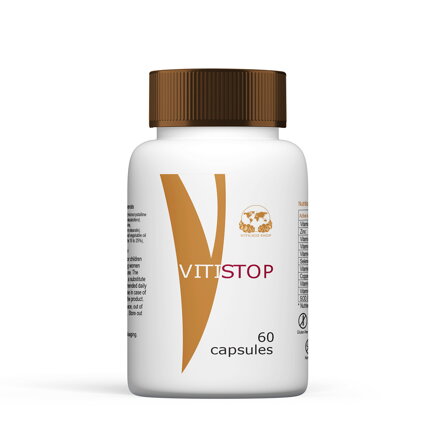
Vitistop "60" - New Formula
(1100022)Vitistop Tablets are a once-daily supplement designed for people with vitiligo who want to support their skin from within. The formula combines patented EXTRAMEL® melon extract (SOD), L-Tyrosine, vitamins and key minerals to support antioxidant defence, normal skin function and natural pigmentation processes.
In stock (85 pcs)
29 €
33 € Discount 12.1%
-
 Add to Favourites
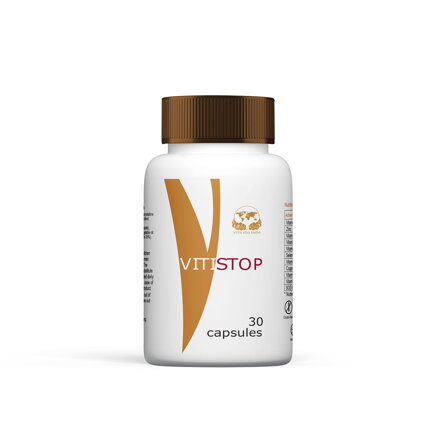
Vitistop "30" - New Formula
(1100021)Supports repigmentation in vitiligo and helps slow the progression of white patches. A potent nutritional supplement featuring patented EXTRAMEL® technology. Vitistop Tablets are more than just a daily supplement, they combines primary and secondary antioxidants to neutralise oxidative stress and protect cells from free radical damage.
In stock (792 pcs)
20 €
-
 Add to Favourites
DISCOUNT SALE
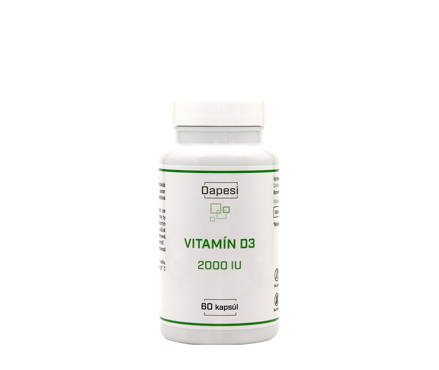
Vitamin D3 – 60 tablets
(1010060)It strongly supports the immune system and restores pigmentation, especially during the winter months.
Sold out
8,20 €
-
 90 €
33%
Add to Favourites
90 €
33%
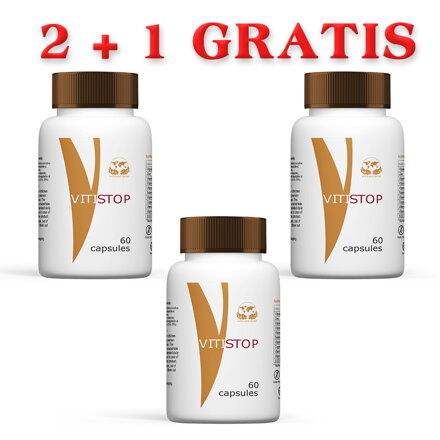
Add to FavouritesVitistop "60" 2+1 gratis
(1100023)Limited discount 2+1 gratis. Unique tablets with a high content of key vitamins and EXTRAMEL® (Superoxide dismutase).
In stock (624 pcs)
60 €
90 € Discount 33.3%
-
 Add to Favourites
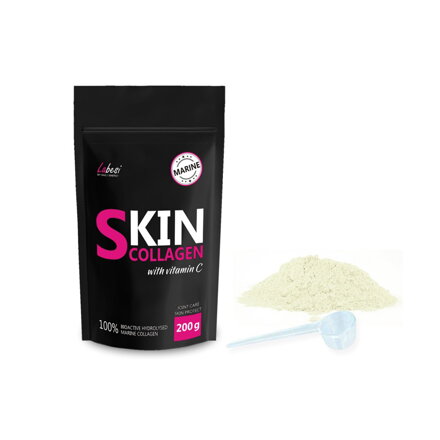
Marine collagen 200g
(1020010)100% pure bioactive marine collagen powder made from fish by special enzymatic hydrolysis.
In stock (31 pcs)
30 €
-
 Add to Favourites
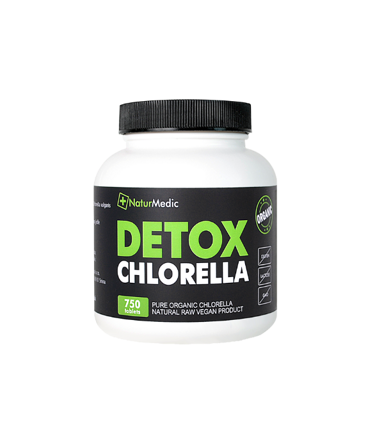
Chlorella Japan 750 tbl
(1020030)100% BIO product to support the detoxification and proper functioning of the immune system.
In stock (39 pcs)
16 €