.jpg)
Chlorella and Vitiligo: What This Green Alga Can Do for Your Skin
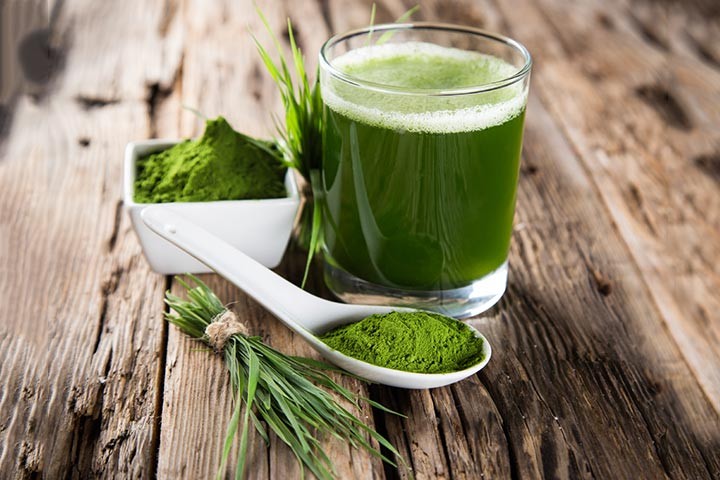
Chlorella is a single-celled freshwater alga that has been eaten as a food supplement in Japan for decades. It will not repigment vitiligo on its own – nothing you swallow does – but it addresses two of the mechanisms behind the disease better than almost any other single food: oxidative stress and B-vitamin deficiency. That is why it sits in step 5 of our 7-step protocol.
Why oxidative stress matters in vitiligo
Melanocytes in vitiligo skin are unusually vulnerable to free radicals, and the skin's own antioxidant enzymes are weaker than normal. Add stress, smoking, sunburn or poor diet, and the pigment cells damage themselves before the immune system even arrives. Antioxidants – from food and supplements – help restore the balance. Details in Vitamins and vitiligo.
What chlorella contains
Gram for gram, chlorella is one of the most concentrated foods there is:
- Chlorophyll – the highest concentration of any plant; a strong antioxidant that also supports the liver's detoxification pathways
- Vitamin B12 in a bioactive form – rare in plants, and one of the vitamins most often low in vitiligo
- Folate (B9), B1, B2, B6 – the B-complex needed for cell division, including melanocytes
- Vitamins C, E, beta-carotene and lutein – antioxidant vitamins and carotenoids
- Iron, magnesium, zinc, potassium, calcium, phosphorus
- Complete protein – about 60 % by weight, with all essential amino acids including tyrosine, the starting material for melanin
- Chlorella growth factor (CGF) – a nucleotide-peptide complex linked to faster tissue repair
- Fibre that feeds the gut microbiome
How chlorella supports a vitiligo protocol
- Antioxidant load. Chlorophyll, carotenoids, vitamins C and E and CGF all counter free radicals in the skin and elsewhere.
- B12 and folate. Low B12 and folate are linked with active vitiligo; supplementing them alongside UVB improved repigmentation in studies. Chlorella is one of the few non-animal sources of real B12 – useful for vegetarians and vegans.
- Thyroid and immune balance. Chlorella's iodine content is low (unlike seaweed), so it does not overstimulate the thyroid; its nutrients support normal thyroid function, which matters because thyroid disease travels with vitiligo.
- Skin recovery after UV. Animal and human studies show chlorella extracts reduce UV-induced damage and support skin repair – relevant when you treat with UVB three times a week.
- Gut and detox. Fibre and chlorophyll support the gut wall and the liver, and chlorella binds heavy metals; a calmer gut means a calmer immune system.
Tablets or powder?
- Tablets – tasteless, convenient, easy to dose; slightly more expensive per gram. Our Chlorella Original 750 tablets is a Japanese, broken-cell-wall chlorella (the cell wall must be cracked or the nutrients are not absorbed).
- Powder – cheaper and more concentrated, but the taste is strong; best hidden in a green smoothie.
How to take chlorella
- Dose: start with 1–2 g a day (4–8 tablets of 250 mg) for a week, then 3–5 g a day (12–20 tablets), with water, ideally with a meal.
- Timing: morning or split between morning and evening; many people take it with their Vitistop tablet and marine collagen.
- Course: continuous, with an optional break after 3 months.
- Side effects: mild digestive upset or green stools in the first days (harmless); start low. Avoid very high doses if you have an autoimmune condition – normal food amounts are fine, but megadoses of any "immune booster" are not wise in vitiligo (see herbal remedies). Check with your doctor if you take blood thinners (chlorella contains vitamin K).
What chlorella does not do
It does not stop the immune attack on melanocytes and it does not make pigment. Only light does that. Chlorella, like collagen and vitamins, removes obstacles: it makes sure the skin and the body have what they need when UVB phototherapy and Vitistop gel do their work. Used that way, it has earned its place in the routine of many of the customers in our results gallery.