Natural and Herbal Remedies for Vitiligo: What Works and What to Avoid
Search "natural cure for vitiligo" and you will find turmeric pastes, lemon-and-basil rubs, papaya, apple cider vinegar and a dozen miracle oils. Most of it is folklore. A few plant-based ingredients, however, have real pharmacology behind them – one of them is the basis of the oldest known vitiligo treatment and of modern phototherapy. And some popular "immune-boosting" herbs can make autoimmune vitiligo worse.
Here is an honest sorting: evidence, tradition and caution.
Why some plants can affect pigment at all
Repigmentation needs three things: less immune attack on melanocytes, less oxidative stress, and a stimulus for the surviving melanocytes to multiply and make melanin. Plants can contribute on all three fronts:
- Photosensitisers (psoralens) make the skin respond more strongly to UV light – the principle of PUVA therapy.
- Antioxidants (polyphenols, flavonoids, superoxide dismutase) counter the free-radical damage that kills melanocytes.
- Immunomodulators calm an overactive immune response – or, in the wrong case, stimulate it.
Remedies with real evidence
Babchi – Psoralea corylifolia
The seeds of babchi contain psoralen, the compound at the heart of PUVA. Ancient Indian and Egyptian physicians treated white patches by applying plant extracts (babchi and Ammi majus) and exposing the skin to sunlight – 3 000 years before dermatology clinics did the same with lamps. Modern trials of babchi extract combined with light show meaningful repigmentation.
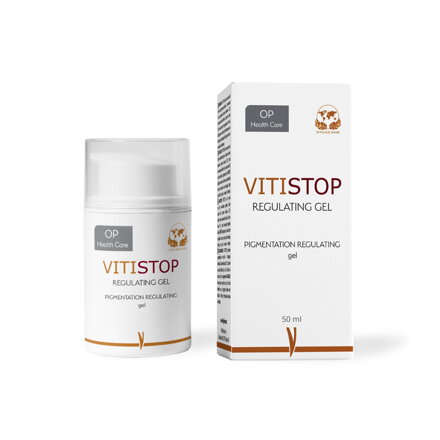
Babchi seed oil is one of the active ingredients in Vitistop gel, together with superoxide dismutase, copper, zinc and vitamins B5 and B12, formulated to be applied about an hour before UVB phototherapy or sun exposure. Because it increases light sensitivity, it must be used with controlled doses of light and SPF 50+ afterwards – never with unlimited sunbathing.
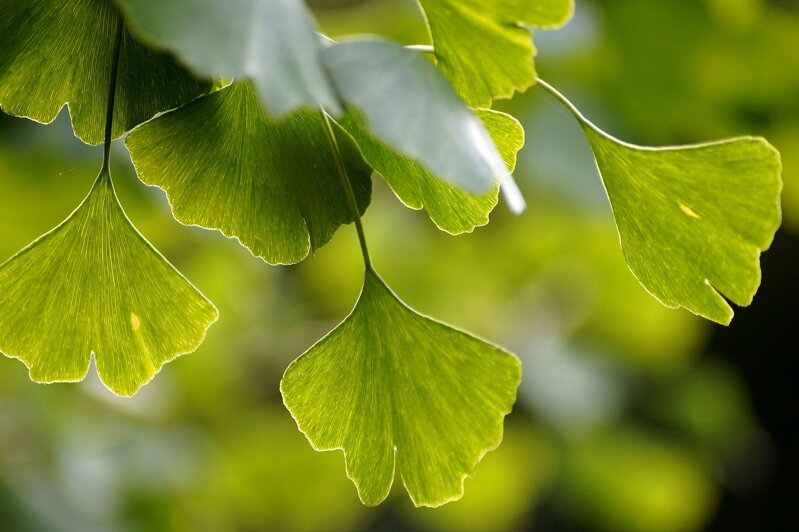
Ginkgo biloba
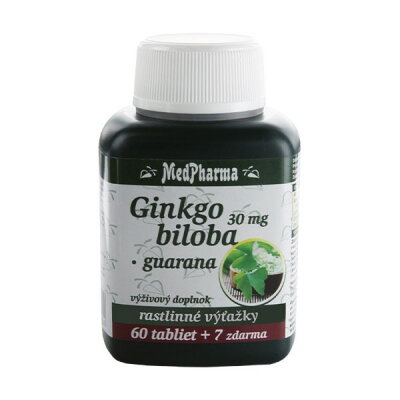
The best-studied herbal supplement for vitiligo. Two clinical trials (60 mg standardised extract twice daily for 12 weeks) reported that ginkgo stopped the spread of vitiligo in most participants and produced some repigmentation in a substantial minority. Ginkgo is a strong antioxidant and mild immunomodulator, and it improves microcirculation. It thins the blood slightly, so check with your doctor if you take anticoagulants or before surgery.
Polypodium leucotomos
An extract of a Central American fern, taken orally, with antioxidant and photoprotective effects. In trials it improved the results of narrowband UVB on the head and neck compared with UVB alone. It also reduces sunburn, which matters for vitiligo skin.
Superoxide dismutase (SOD)
Not a herb but a plant-derived enzyme: vitiligo skin is short of SOD, and oral SOD from melon extract (EXTRAMEL®) combined with UVB improved repigmentation in a controlled study. EXTRAMEL® is the core ingredient of Vitistop tablets, alongside vitamins C, E, D3, B-group and zinc, copper and selenium, which contribute to the protection of cells from oxidative stress.
Green tea, curcumin, black seed oil
Green tea polyphenols (EGCG) and curcumin from turmeric are potent antioxidants and reduced depigmentation in laboratory and animal studies; small human trials with topical curcumin plus UVB were positive. Black seed oil (Nigella sativa) applied topically improved patches in one small trial. Reasonable additions to a diet or skin-care routine, not stand-alone treatments.
Traditional remedies with little evidence
- Lemon juice + basil, turmeric + mustard oil, ginger juice, apple cider vinegar – widely recommended online, no clinical evidence. Lemon juice on the skin plus sun can cause burns and dark spots (phytophotodermatitis).
- Neem oil – anti-inflammatory and antibacterial; harmless as skin care, unproven for pigment.
- Ammi majus (khella) – contains psoralens like babchi; historically used, but dosing is unpredictable and burns are common. Leave it to controlled products.
- Papaya, red clay, radish seeds, copper water – folklore.
None of these are dangerous in moderation (apart from citrus + sun), but none replaces treatment, and every month spent on them is a month a fresh patch gets older and harder to repigment.
Herbs people with vitiligo should be careful with
Vitiligo is autoimmune: the immune system is already too active against your own cells. Supplements sold to "boost immunity" push in the wrong direction and can trigger flare-ups in predisposed people:
- Echinacea – the most commonly reported; several case reports link it to worsening autoimmune disease
- Spirulina and chlorella in very high doses – normal food amounts are fine; megadoses stimulate immunity
- Astragalus, goldenseal, cat's claw, elderberry extracts, high-dose medicinal mushrooms
If you want plant-based support, choose antioxidants and immune modulators (ginkgo, green tea, curcumin, SOD), not immune stimulants.
How to use natural remedies sensibly
- Treat them as add-ons to the treatment with real evidence – narrowband UVB – not as replacements.
- Choose standardised products with known doses over kitchen pastes.
- Tell your dermatologist what you take; ginkgo and psoralens interact with light and medicines.
- Photograph your patches monthly. If a remedy is not doing anything after three months, stop paying for it.
- Never combine photosensitising plants with unprotected sun. Burns create new patches.
Our 7-step protocol combines the plant-based ingredients that have evidence (babchi, SOD) with UVB, nutrition and lifestyle – and the results our customers share come from that combination, not from any single remedy. Questions? Ask us.
-
 Add to Favourites
TOP SEARCHED
Vitistop gel
Vitistop Gel is an innovative, next-generation cream developed in collaboration with dermatologists to reactivate dormant pigment-producing cells. Its unique formula maximises the effects of UVB phototherapy or sunlight, helping to actively slow the progression of vitiligo and restore lost pigmentation.
In stock
from 40 €
-
 Add to Favourites
Ginkgo 24/6
(1010110)It has positive antioxidant and immunomodulatory features on vitiligo treatment. Ginkgo extract has been repeatedly shown to be highly effective against these two causes (oxidative stress and autoimmune destruction).
In stock (95 pcs)
9,23 €