.jpg)
Vitiligo on different body parts: face, neck, hands, fingers and genitals
Vitiligo can show up on any part of the body, and its location matters more than many people expect: it influences how fast the skin responds, which treatments make sense and how best to protect and camouflage it. Pick the body part you would like to read about.
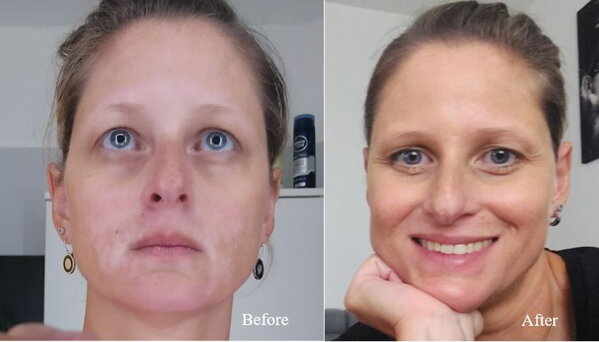
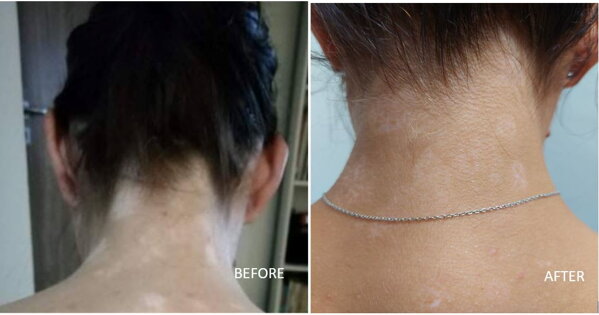
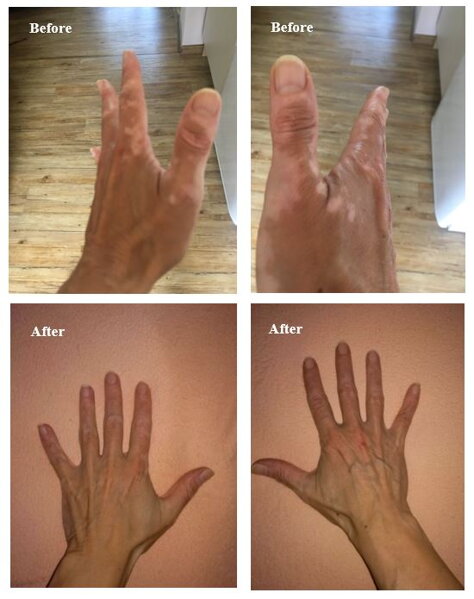


Why vitiligo responds differently depending on the body part
Returning colour is mostly supplied by pigment cells sitting in the hair follicles. Skin that is rich in fine follicles and well supplied with blood – the face and neck – therefore regains pigment most easily. According to the British Association of Dermatologists, the face and trunk generally do better than the hands and feet, and the fingertips, which have hardly any follicles, are the slowest of all. Recently formed patches also react better than those that have been white for years.
| Body part | How it usually responds | Worth knowing |
|---|---|---|
| Face | Generally the best | Eye protection is a must during light therapy |
| Neck | Well | Cut down on rubbing from collars and jewellery |
| Hands | More slowly – allow months | Wear gloves for housework and put sunscreen on the backs of the hands |
| Fingers & fingertips | Most slowly | The backs of the fingers and the knuckles tend to improve first |
| Genital area | Varies from person to person | Creams under medical supervision only; no home UVB lamp |
What helps wherever vitiligo appears
- A reliable diagnosis from your GP or a dermatologist, with prescription creams as the starting point.
- Narrowband UVB light (311 nm) if creams alone do not do enough – at a clinic or at home with a handheld lamp (never on the genital area).
- Perseverance. Two or three light sessions a week, a photo every four weeks and patience with the slower areas. Our customers pair the light with Vitistop Gel and Vitistop Tablets.
- Protection. A high-SPF sunscreen and less friction on delicate areas.
- Camouflage whenever you like – for instance with Vitistop Self-Tanning Mousse.
Our treatment guide walks you through the whole process step by step, and you can see genuine experiences on our customer results page.
Frequently asked questions
Which body part responds best to vitiligo treatment?
The face and neck tend to respond best, followed by the trunk. The hands and feet react more slowly, and the fingertips are usually the slowest, as they have very few hair follicles – the main source of returning pigment.
Where on the body does vitiligo usually begin?
Typical starting points are the hands, fingers and wrists, the skin around the eyes and mouth, the neck, the armpits, the groin and the genital area. Patches often develop where the skin is exposed to friction or sunlight.
Can every part of the body be treated in the same way?
Not entirely. The face and the genital area call for gentler prescription creams, the eyes need protecting during light therapy, and home UVB lamps should not be used on the genitals. Hands and fingers usually need the longest treatment.
Vitiligo on other parts of the body
Sources: Eleftheriadou V. et al.: British Association of Dermatologists guidelines for the management of people with vitiligo 2021, Br J Dermatol 2022; European Medicines Agency (EMA) – Opzelura (ruxolitinib cream); DermNet – Vitiligo.
This article is general information and does not replace advice from a doctor. Vitiligo should be diagnosed by a dermatologist or another qualified doctor, and any new or changing patch of skin deserves a medical check. Our products are meant to support skin care alongside the treatment your doctor recommends.