Philips BU-1S UVB Lamp – Medical device and UVB light therapy for vitiligo, psoriasis and eczema
Manage skin conditions effectively and conveniently at home. The Philips BU-1S medical device and UVB lamp emits a precise 311 nm NB-UVB wavelength that supports the treatment of:
- Vitiligo
- Psoriasis
- Atopic eczema
- Seborrhoeic dermatitis
- Other forms of eczema, including hand eczema
Technical Specifications
Model: BU-1S with EU plug, powered by Philips PL-S 9W/01 Original Medical Bulb.
Dimensions: 300 × 55 × 45 mm
Weight: 0.48 kg
Emission peak: 311 nm (narrowband UVB)
Irradiance: ≥ 7 mW/cm²
2-Year Warranty as standard
Manufacturer: YouWeMed
Preparing for Your First Session
- Plug in the mains lead and switch the unit on.
- Initial exposure time (first session):
- Adults: 30 seconds
- Children: 15 seconds
Directions for Use
- Treat 2–3 times per week, leaving at least one full day between sessions.
- Only treat when any redness (erythema) from the previous session has subsided and the skin has fully recovered.
A skin reaction (erythema – redness) typically appears 6–8 hours after exposure:
- No redness: increase the exposure time by 20 seconds at the next session.
- Mild redness (desired response): if the skin is still slightly pink after 24 hours, keep the same exposure time and wait until the redness has completely faded before treating again.
- Marked redness: pause treatment until the skin has returned to normal, then reduce the exposure time by 20%.
- The typical exposure per spot is approximately 3–4 minutes, depending on skin type.
The Philips BU-1S handheld NB-UVB lamp is designed to provide a practical and user-friendly option for home phototherapy for vitiligo, psoriasis and other inflammatory skin conditions. Regular, carefully adjusted treatment can help support gradual improvement over time.
Frequently Asked Questions – Philips BU-1S for psoriasis
Is the Philips BU-1S UVB lamp suitable for scalp psoriasis treatment? ▼
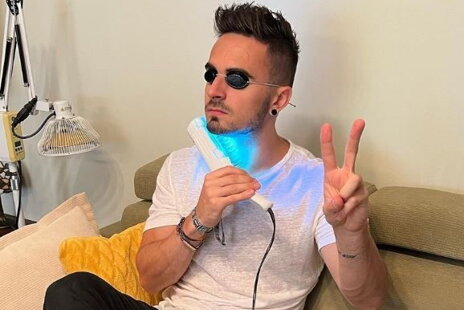
Yes. The Philips BU-1S includes a comb attachment that keeps the lamp at the correct 3 cm distance from the skin and also parts the hair, so the 311 nm NB-UVB light reaches the scalp. Treat small areas at a time, always wear the supplied UV-protective goggles and avoid shining the light into the eyes or onto mucous membranes.
How often can I use 311 nm UVB for psoriasis at home? ▼
In most cases, psoriasis is treated 2–3 times per week with at least one rest day between sessions. Do not treat the same area more than once per day. Only increase the exposure time when any redness from the previous session has completely settled.
Can I combine this lamp with topical psoriasis creams? ▼
Many patients use NB-UVB alongside topical treatments such as emollients and prescribed creams. Neutral moisturisers can usually be applied after each session once the skin has cooled down. Some active ingredients may affect the skin's sensitivity to UV light, so always follow the advice of your dermatologist and the product leaflet when combining topical treatment with UVB phototherapy.
How long does it usually take to see improvement in psoriasis? ▼
Psoriasis is a chronic condition and it typically takes several weeks of regular treatment to notice changes. Many patients start to see smoother, less red plaques after approximately 4–8 weeks of consistent NB-UVB therapy, although in some cases it can take longer. Results vary between individuals.
Frequently Asked Questions – Philips BU-1S for vitiligo
Is the Philips BU-1S suitable for vitiligo? ▼
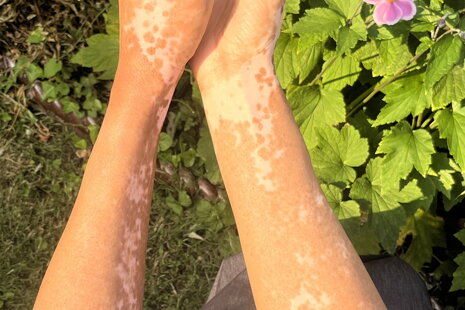
Yes. The Philips BU-1S handheld lamp uses 311 nm narrowband UVB, which is the wavelength commonly used in dermatology clinics for vitiligo phototherapy. It is designed for targeted treatment of small to medium-sized patches on the face, hands and body.
How often should I use 311 nm UVB for vitiligo? ▼
In most vitiligo protocols, NB-UVB is used 2–3 times per week, with at least one complete rest day between sessions. Do not treat the same area more than once per day. Increase the exposure time only when the skin has fully recovered and there is no persistent redness from the previous session.
How long does it take to see repigmentation in vitiligo? ▼
Repigmentation in vitiligo is usually gradual. Many patients need at least 2–3 months of regular NB-UVB treatment before they begin to notice small dots of returning pigment, while more meaningful improvement can take 6–12 months. Areas such as the face and neck generally respond better than the hands and feet. Results vary from person to person, so patience and consistent treatment are important.
Can I combine the BU-1S with topical creams for vitiligo? ▼
Yes. NB-UVB phototherapy is often used alongside topical treatments for vitiligo. However, some prescription medicines and other topical products can affect the skin's sensitivity to UV light. If you use prescription creams or ointments, follow your dermatologist's instructions and the product leaflet regarding how and when to apply them in relation to your UVB sessions. Do not apply topical medicines immediately before UVB treatment unless you have specifically been advised to do so.




New comment